What are Wetlands?
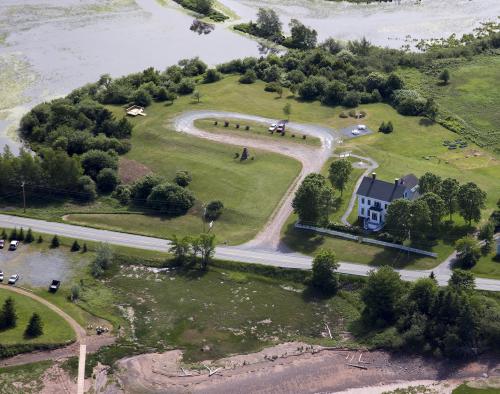
Shallow ponds full of cattails, the boggy areas at a lake edge, or tidal marshes where fresh and saltwater collide. These are just a few examples of wetlands. The common feature of all wetlands is the presence of standing water near or above the surface. Some always have water present, while others will dry up only to refill again. These important natural spaces are home to a wide diversity of wildlife that need wet conditions to thrive. Lawrence House sits beside three types of wetlands - freshwater, tidal, and saltwater marshes.
The Importance of Wetlands
Wetlands aren’t only essential to the wildlife that live there. They offer important services to our communities, too. They improve water quality, reduce the flood risk, and protect against drought. By taking carbon dioxide from the air and trapping it in the soil, they help fight climate change. On top of all that, they promote ecotourism as visitors are drawn to their natural beauty and abundant wildlife.
Winter Life around Lawrence House
The wetlands around Lawrence House are home to many animals in the winter. Each one adapts to winter life differently. Keep an eye out as you enjoy the trail - if you’re lucky you might spot one.
American Black Duck (Ana rubripes)
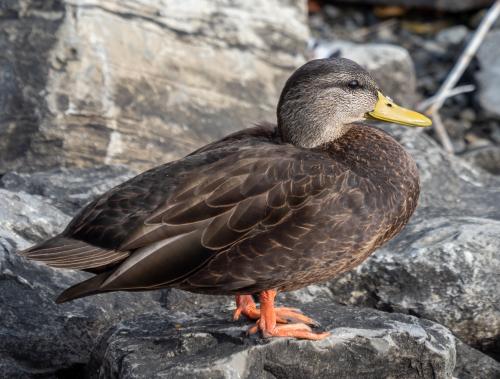
Attribution: (Rhododendrites, CC BY-SA 4.0, via Wikimedia Commons)

American black ducks are the most common type of duck in Nova Scotia and the and can be found here year-round. Those living around Lawrence House can usually be spotted in the freshwater marshes until the water freezes over. They then move to close-by coastal waters and salt marshes. During very cold or rough weather, they will seek sheltered areas and group together for warmth.
Common Raven (Corvus corax)
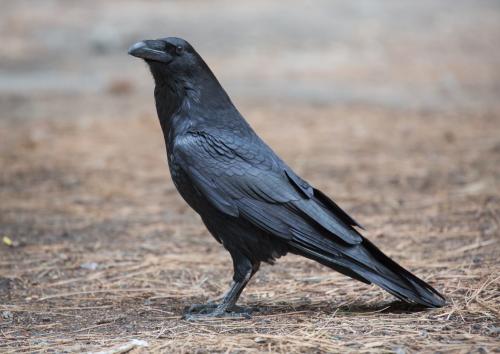
Attribution: (Joseph Diliff, CC BY-SA 3.0, via Wikimedia Commons)
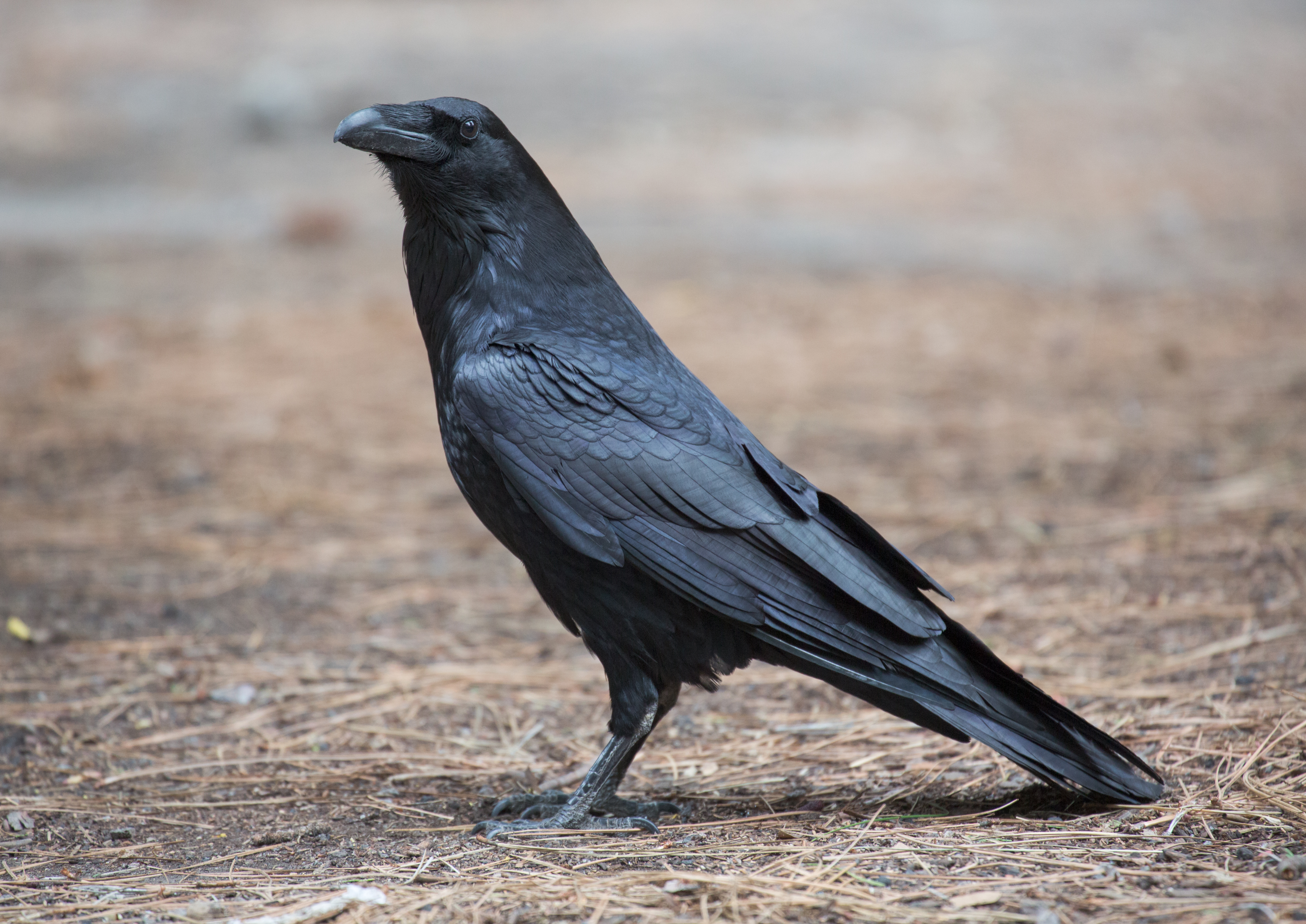
Ravens are another year-round resident of Nova Scotia. During the spring and summer, those living around Lawrence House have been seen nesting in trees close to the wetland. During the winter they have a long list of adaptations that keep them comfortable, even in frigid weather. A high body temperature keeps the cold out while special feathers over their nostrils keeps moisture in. They also use their diverse diet and intelligence to their advantage, making do with the food available and storing extra for times of need.
Red Fox (Vulpes vulpes)
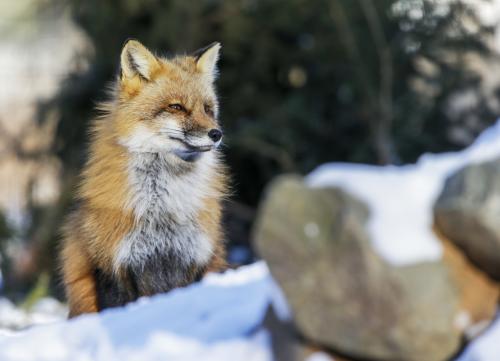
Image Attribution: (Len Wagg, 2019)
Plan a walk around dawn or dusk and you might spot a fox hunting for small animals in the surrounding fields. Since red foxes are active all winter, they need to build a layer of fat and grow thicker fur to protect from the cold. Add to that their furry paws and bushy tail and foxes are able to sleep out in the open, sometimes using thick bush for shelter. After mating in late winter, females start preparing dens for raising their young (kits) in the spring.
Beaver (Castor canadensis)
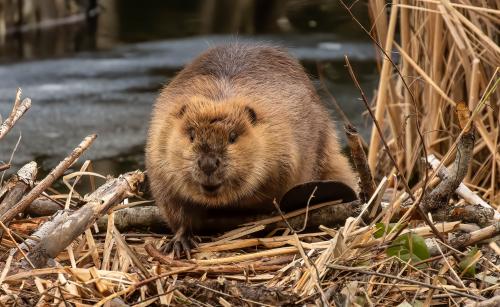
Image Attribution: (Deborah Freeman, CC BY-SA 2.0, via Flickr)
The unmistakable signs of beavers can be seen along the trail. Look for their lodge of sticks and mud along the water’s edge. It is in these warm dwellings that they stay active, but hidden, through the winter. Over the summer, they fatten up on lily tubers, ferns and cattails. In winter, they settle for the inner bark of twigs and branches stored under water outside their lodge. Spending most of their time lounging in the lodge means beavers only need to eat once a day and rarely come to the surface until the spring.
Yellow-spotted Salamander (Ambystoma maculata)
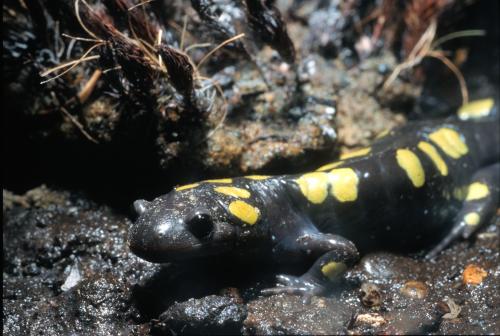
Image Attribution: (Paul Harrison, CC BY-SA 4.0, via Wikimedia Commons)

This is one animal you won’t see during a winter walk. In the fall they find their way below the frost line, using burrows and cavities created by trees and other animals. Salamanders and other cold-blooded (ectothermic) animals do not hibernate like some mammals, but enter a state called brumation. Rather than sleeping, their metabolism slows so much that they don’t need food. Come spring, the salamanders will become active again along with the snakes, frogs, and turtles of the wetlands around Lawrence House.
Little Brown Bats (Myotis lucifugus)
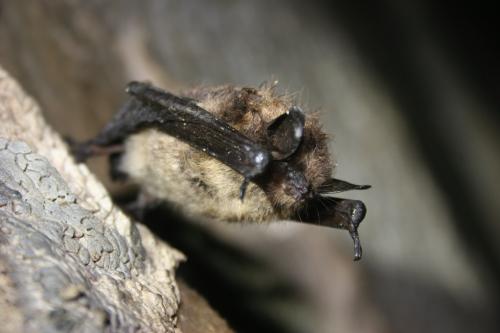
Attribution: (USFWS, CC BY 2.0, via Flickr)
Some bat species migrate for the winter, but little brown bats stay year-round. They gather in tunnels, old mines, and caves known as hibernacula in the fall, where they will spend the winter in groups. In the winter roost, they enter a type of hibernation called torpor. Their body temperature, heart rate, and breathing all slow while they sleep for weeks at a time, waking a few times to warm-up, drink water, and eliminate waste before going back to sleep. Time awake uses up stored energy, so its important the bats aren’t disturbed. A condition called white-nosed syndrome has been very harmful to Nova Scotia’s bat numbers because it wakes them so often many can’t survive until spring.
Chain Pickerel (Esox niger)
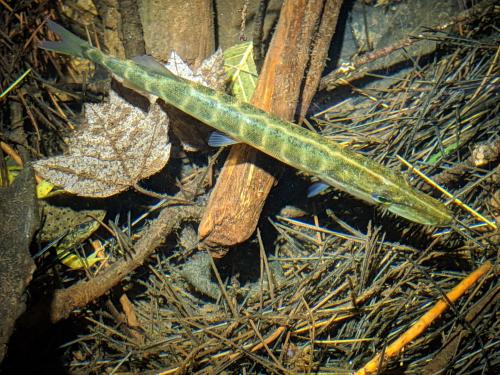
Attribution: (Ken-ichi Ueda, CC BY 4.0 , via iNaturalist)
This invasive species was illegally introduced to Nova Scotia in 1945 and has since spread aggressively. Once introduced, chain pickerel eat and compete with native fish species. They are predators, feeding on other fish, rodents, frogs, insects, ducklings, snakes, and even each other. Most freshwater fish in Nova Scotia survive the winter by moving to deeper water, reducing their activity and relying on stored fat for energy. Chain pickerel follow a similar strategy spending their winters in the same deep waters and actively hunting other fish.